What Is Market Research? An Introduction to Understanding Market Research
One crucial question must be answered before introducing a new product, entering a new market, or expanding a business: Are customers really…
Read ArticleConducting nationwide field research in the Philippines is a challenge that goes far beyond covering locations on a map. With thousands of islands, diverse cultures, different languages, varying infrastructure, and communities spread across urban and remote areas, collecting consistent and reliable data requires experience, preparation, and a strong fieldwork network. At Field Market Research Philippines, […]
By Rold Yanga
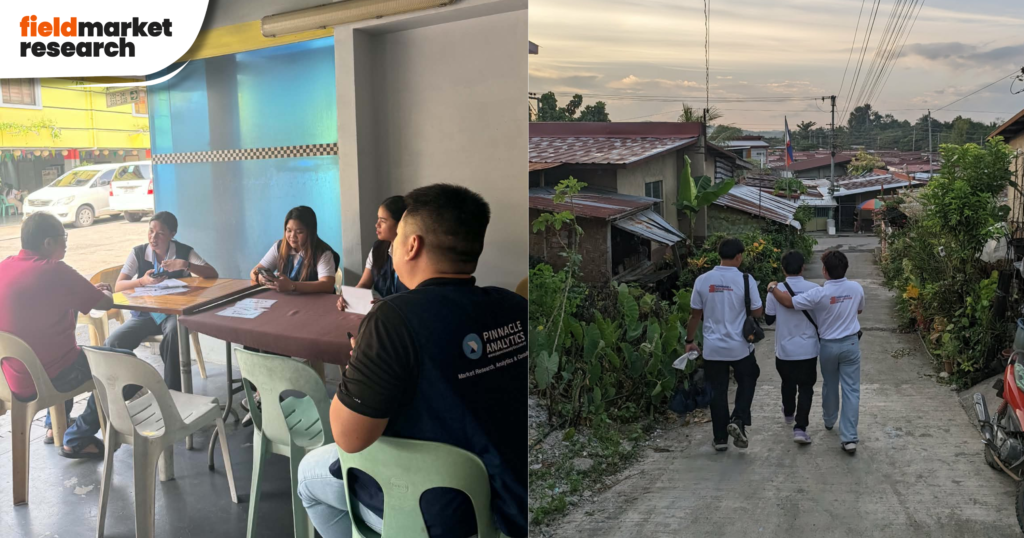
Conducting nationwide field research in the Philippines is a challenge that goes far beyond covering locations on a map. With thousands of islands, diverse cultures, different languages, varying infrastructure, and communities spread across urban and remote areas, collecting consistent and reliable data requires experience, preparation, and a strong fieldwork network. At Field Market Research Philippines, we have spent 17 years developing the expertise and operational capabilities needed to bring quality field research from Luzon to Visayas and Mindanao.
A nationwide study is only as reliable as its field operations. Reaching respondents in major cities is very different from reaching households in remote barangays, mountain communities, coastal villages, or geographically isolated areas.
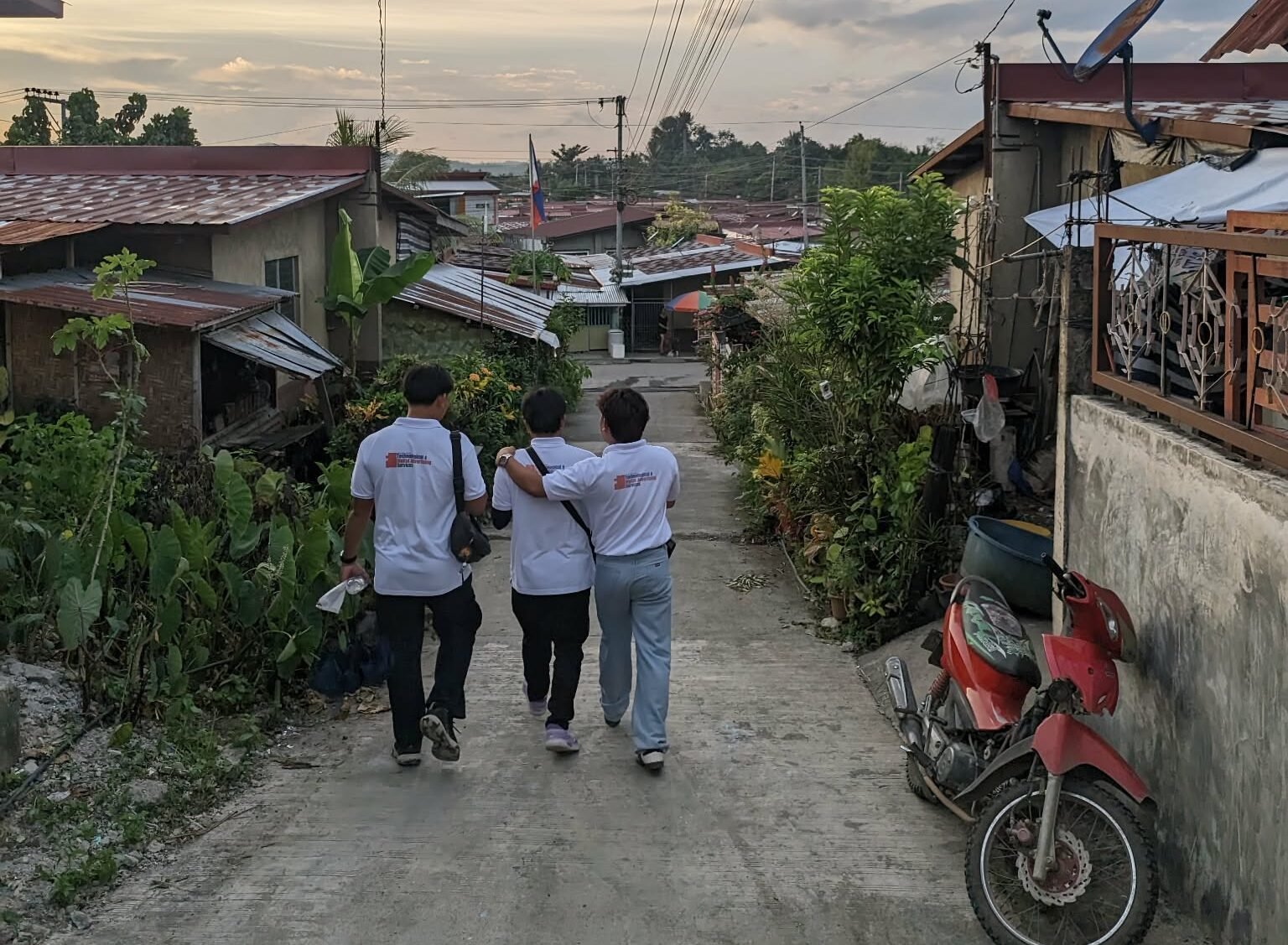
Our field researchers have experience working across different environments and communities throughout the Philippines. From highly urbanized areas in Luzon to rural communities in the Visayas and remote locations in Mindanao, we adapt our field strategies according to the realities on the ground.
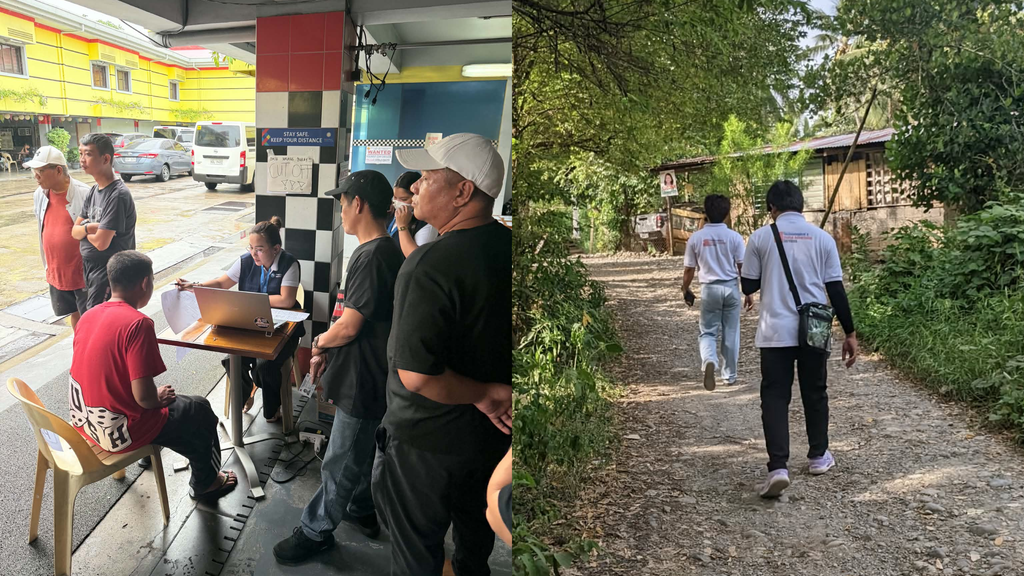
For Field Market Research Philippines, nationwide coverage means making every effort to ensure that difficult-to-reach respondents are not overlooked.
The Philippines is culturally diverse, and effective research requires an understanding of the communities being studied.
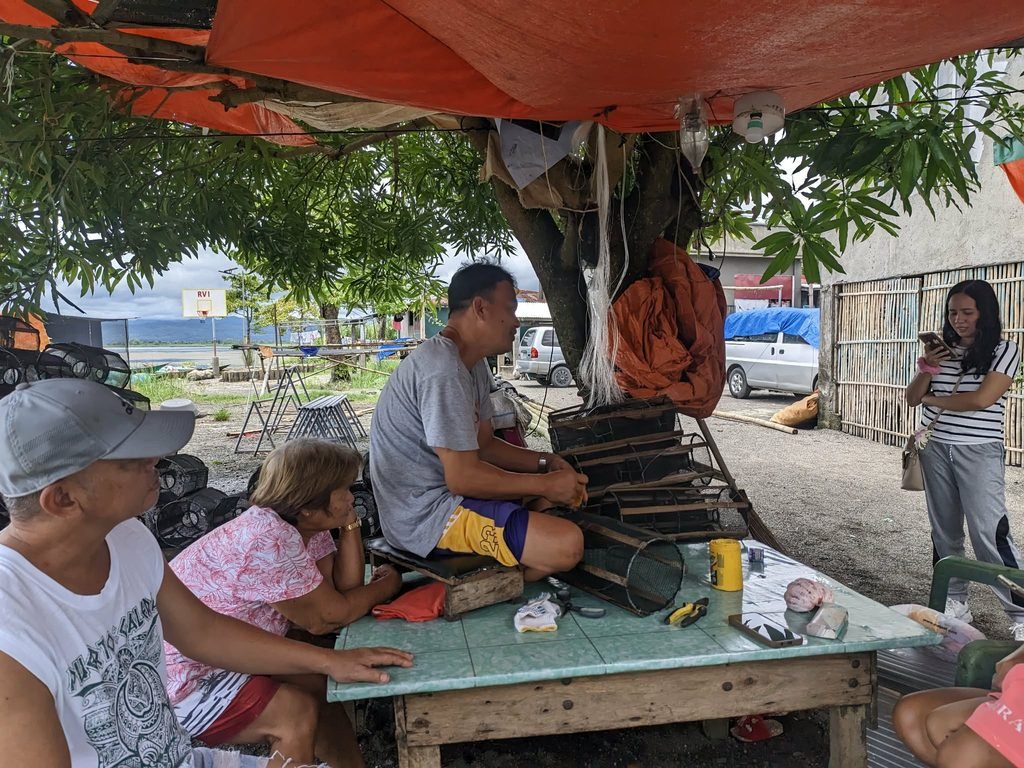
Our researchers work with different socioeconomic groups, indigenous communities, agricultural and fishing communities, Muslim communities, urban households, business owners, and other respondent groups. Each community may have its own customs, communication styles, social structures, and expectations.
We train and brief our field teams to approach respondents respectfully and professionally. Cultural sensitivity is particularly important when conducting interviews in communities where local traditions and protocols must be observed.
In Muslim communities, for example, our women researchers may wear hijabs as a gesture of cultural respect. We also coordinate with local leaders and community representatives when appropriate before conducting field activities.
Some of the most valuable insights are found outside easily accessible locations. This is where our fieldwork experience becomes particularly important.
Our teams have traveled along rough mountain roads, ridden habal-habal motorcycles, walked long distances, and navigated difficult terrain to reach communities that may otherwise be excluded from research. In areas without conventional bridges, researchers may even need to use local rope-and-line transportation to cross waterways.
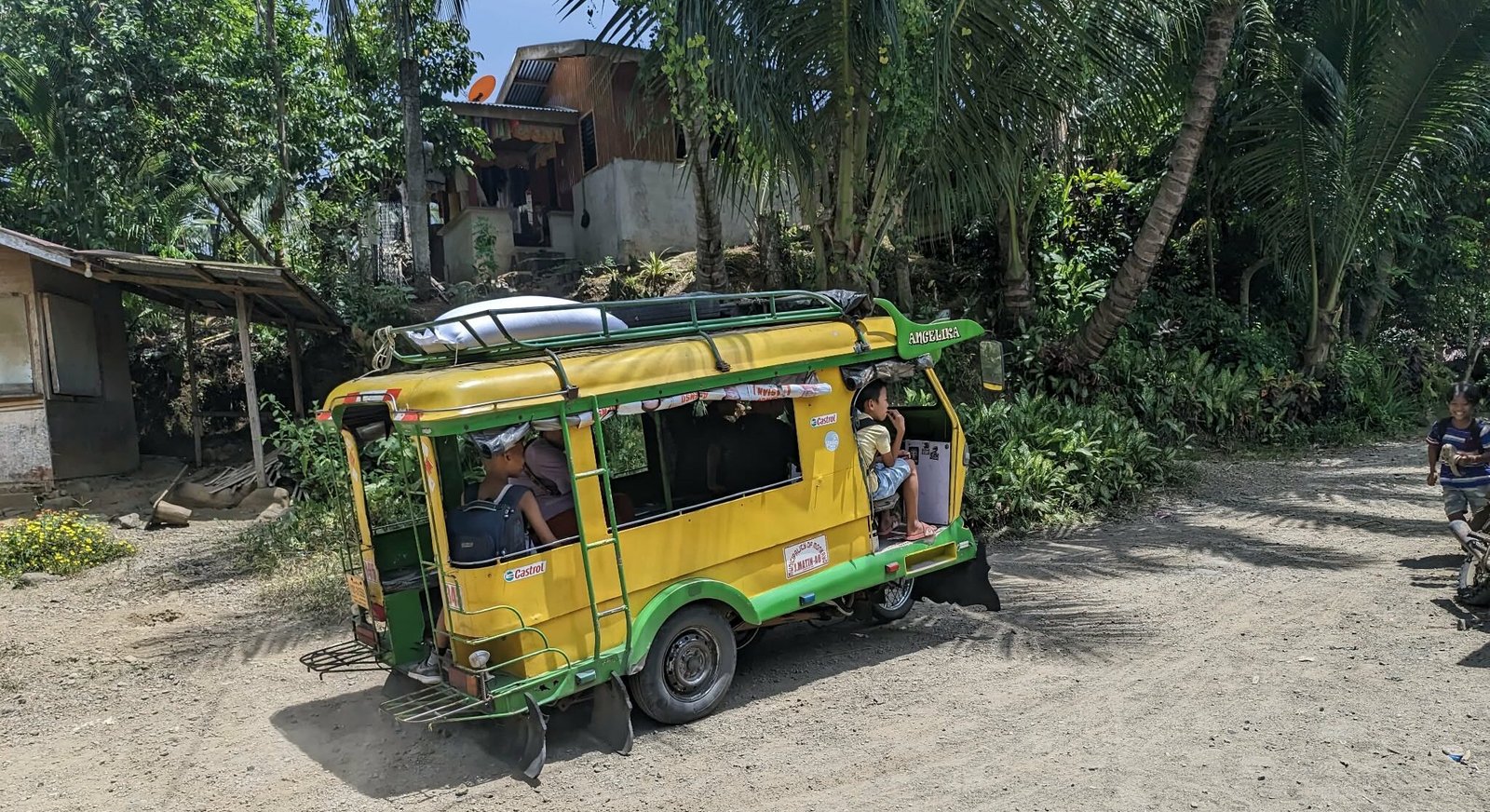
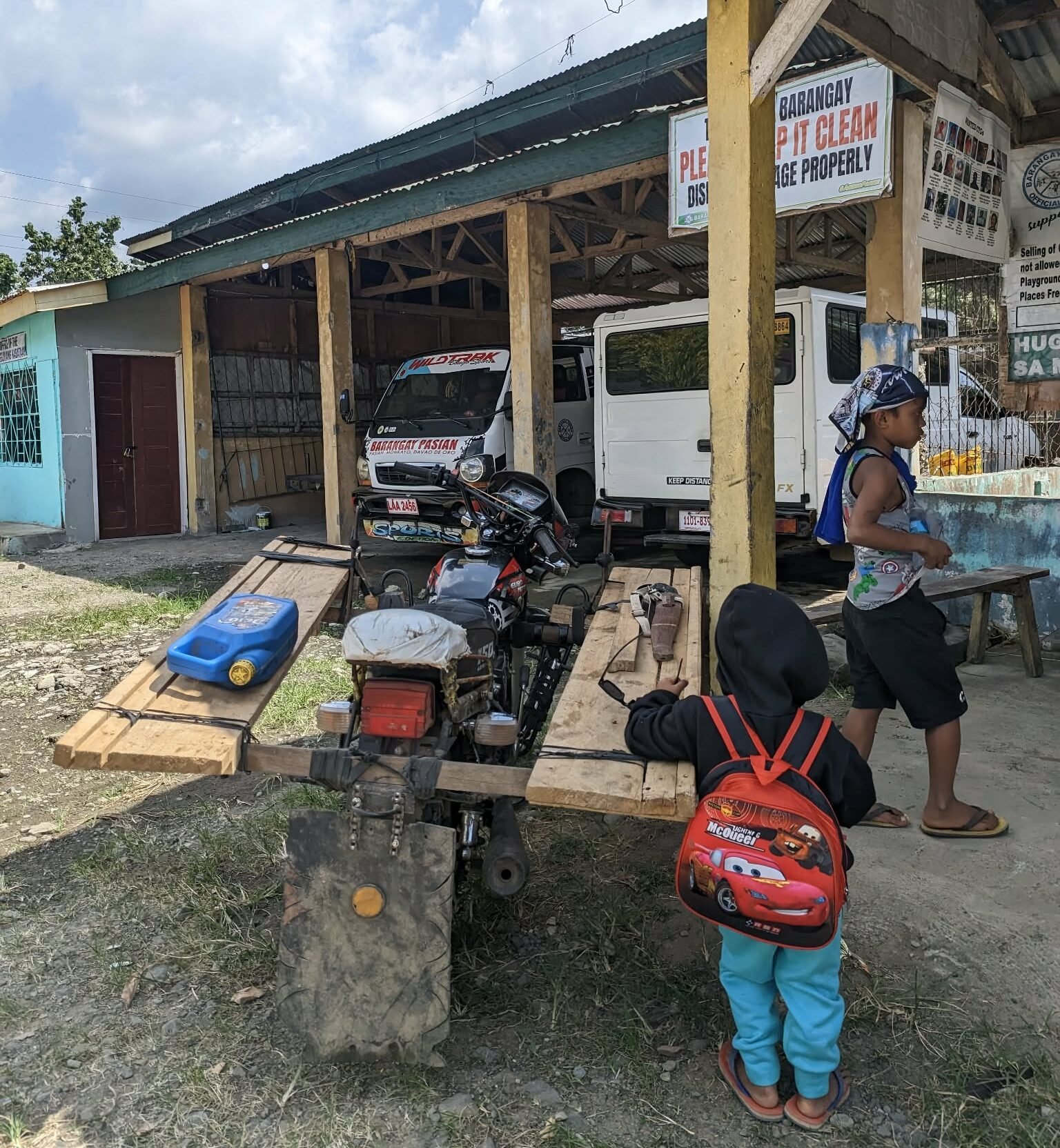
These experiences have taught us that field research requires flexibility. Transportation plans may change. Weather conditions may affect routes. Connectivity may disappear. Yet the research must continue.
While every community is different, the research process must remain consistent.
At Field Market Research Philippines, we establish standardized procedures for interviewer training, respondent screening, questionnaire administration, documentation, quality control, and data submission. Field supervisors monitor teams and address operational concerns throughout the study.
This balance between standardization and local adaptation is essential. Researchers must follow the same research methodology while still knowing how to communicate effectively with the communities they visit.
Nationwide field research today can be strengthened significantly through digital tools. At Field Market Research Philippines, we use Computer-Assisted Personal Interviewing (CAPI) and mobile-based data collection systems to improve field efficiency and data quality.
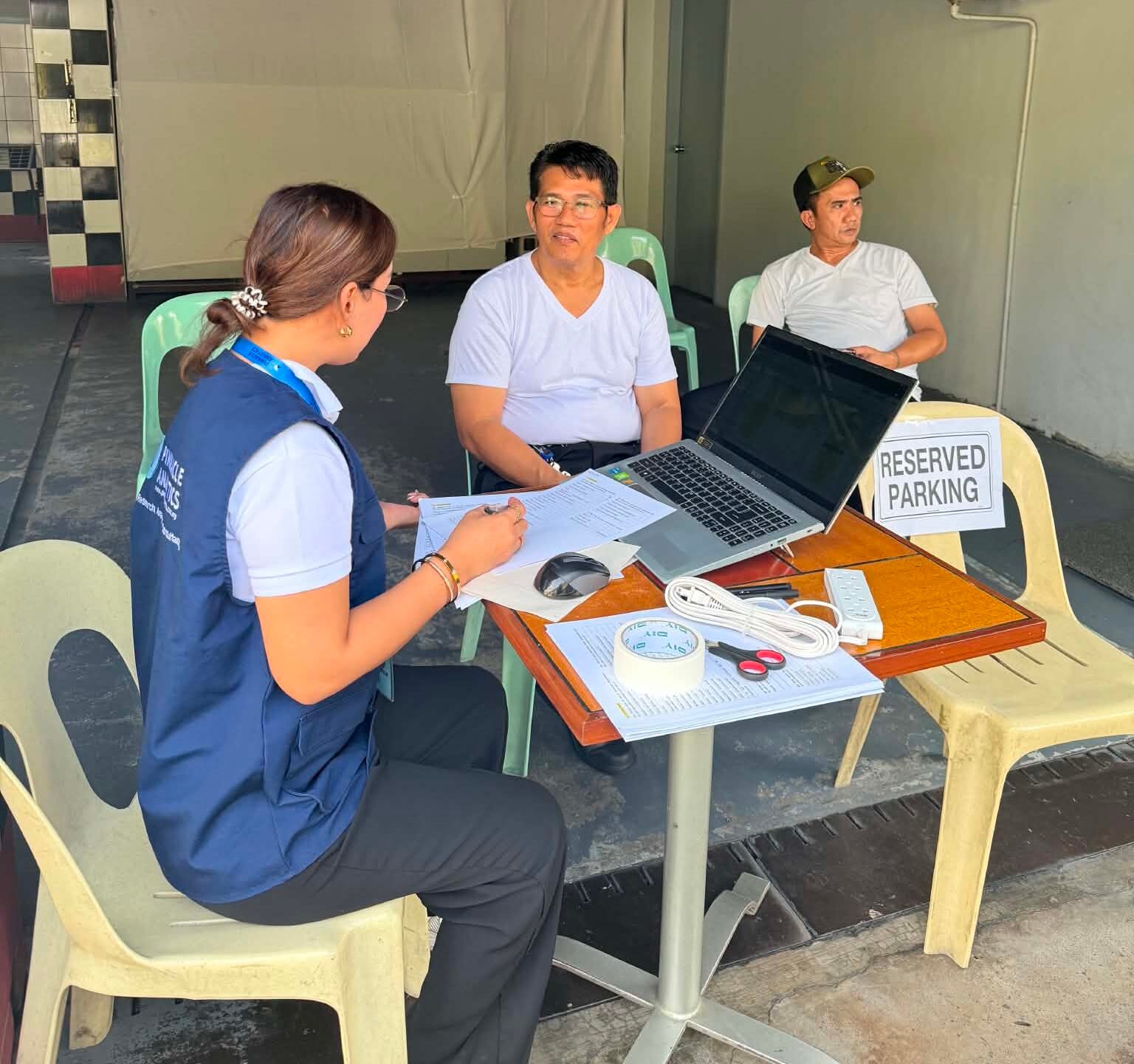
Digital survey platforms can allow researchers to work offline in areas without reliable internet or mobile signals. Depending on the project, field devices can capture GPS coordinates, timestamps, photographs, and other forms of documentation.
These technologies also allow supervisors to monitor field progress and identify potential data-quality issues more efficiently than traditional paper-based methods.
Large-scale fieldwork also requires careful attention to safety. Before entering certain communities, our teams coordinate with relevant local government units, barangay officials, police authorities, military personnel, and other stakeholders when necessary.
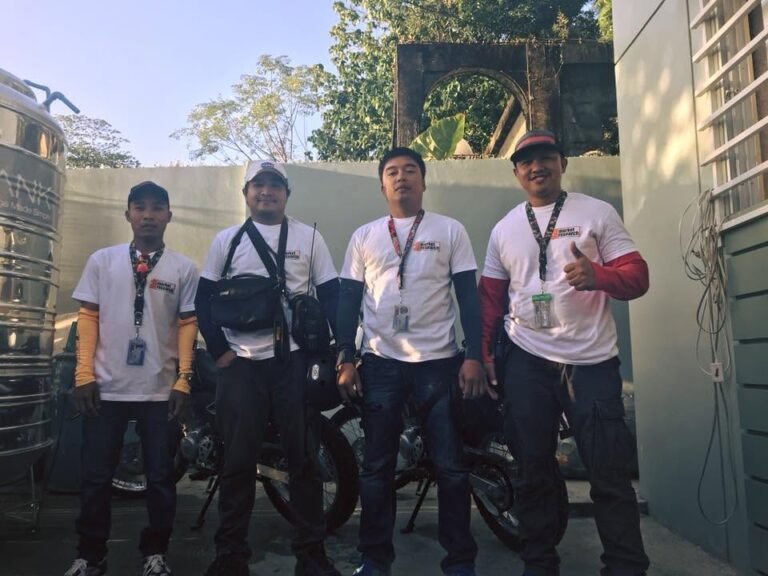
Researchers carry official identification, authorization documents, and required permits. Company uniforms and proper identification also help respondents recognize legitimate research teams and understand the purpose of their visit.
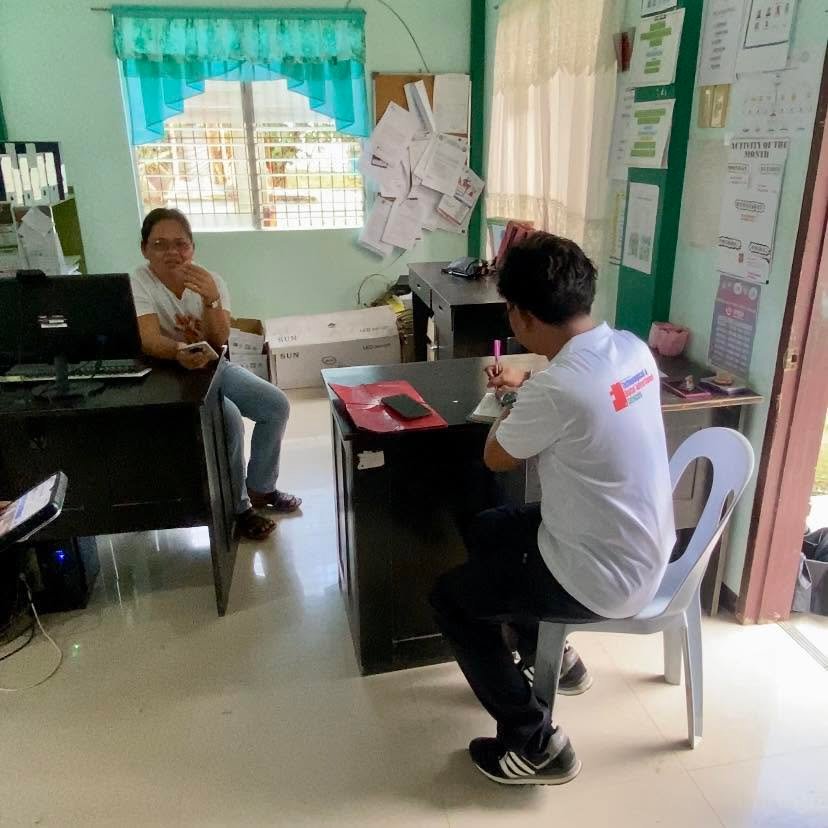
Professional field operations protect both our researchers and the communities participating in our studies.
Over 17 years, Field Market Research Philippines has worked across a broad range of industries and research requirements. Our experience includes agriculture, fisheries, telecommunications, technology, consumer research, education, public-sector programs, livelihood initiatives, infrastructure, and other sectors.
This industry diversity allows our teams to understand that every project has different research objectives, respondent profiles, and field requirements.
Whether a client needs information from consumers in metropolitan areas or households in remote communities, our approach is designed around the specific requirements of the study.
Nationwide research is ultimately about people. Technology can help collect and manage information, but experienced field researchers are the ones who establish connections, navigate communities, understand local contexts, and make sure respondents are heard.
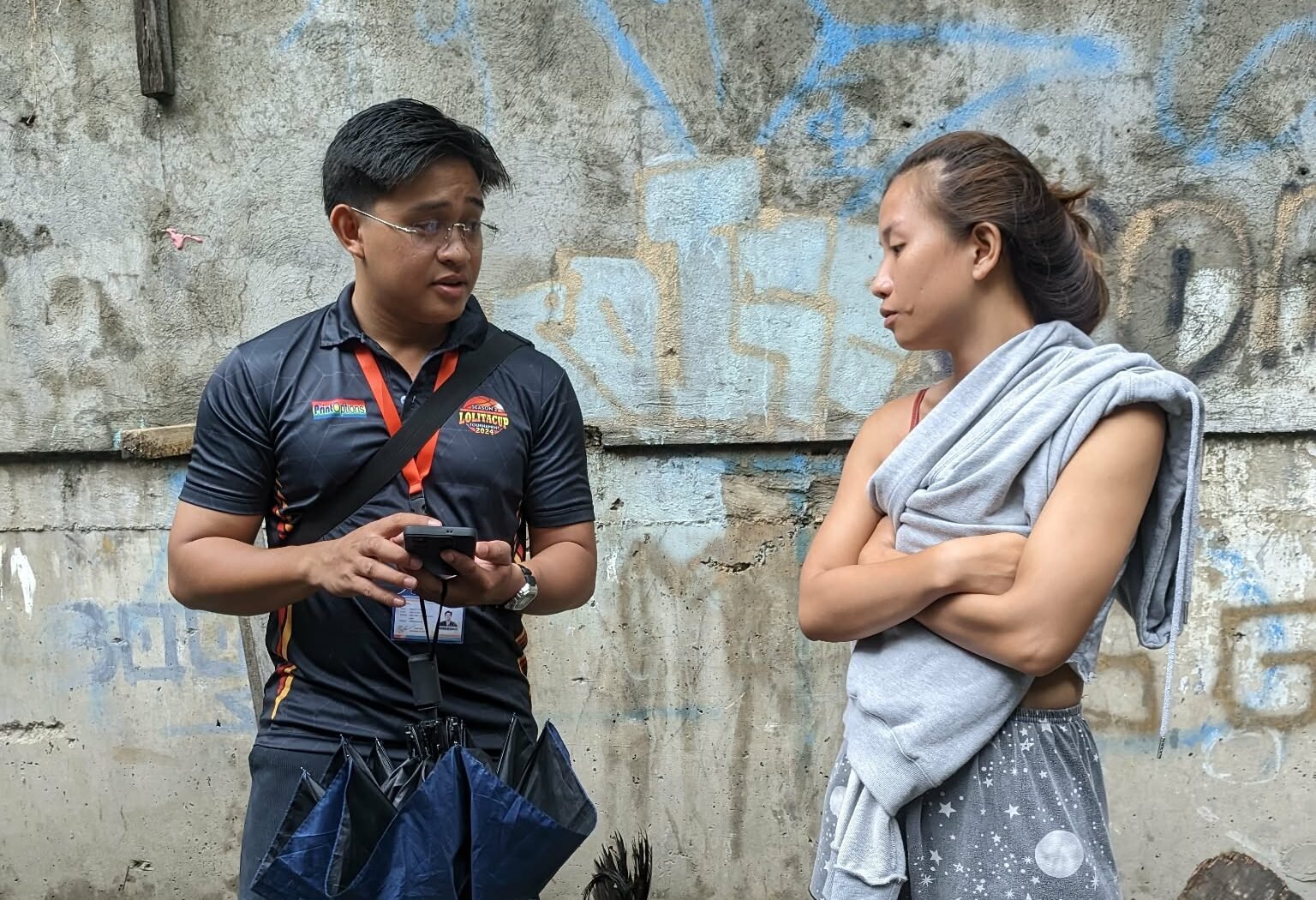
From Luzon to the Visayas and Mindanao, Field Market Research Philippines brings 17 years of field experience, trained researchers, modern data-collection technology, and rigorous quality-control practices to every project.
Our strength is simple: we go where the respondents are.
No matter the terrain, community, industry, or logistical challenge, our commitment remains the same—to deliver consistent, ethical, and reliable field research that gives clients a clearer understanding of the people and markets they serve.

Rold Yanga is a Senior Field Operations Manager at FMR with expertise in field data collection, interviewer supervision, respondent validation, CATI, CAPI, mystery shopping, and quality assurance for nationwide market research and fieldwork projects.
One crucial question must be answered before introducing a new product, entering a new market, or expanding a business: Are customers really…
Read Article
Public-opinion surveys have become a major part of political reporting and public discussion in the Philippines. During elections, presidential speeches, controversies, economic…
Read Article