Mystery Shopping and Business Intelligence Gathering in the Philippines: Why Real Information Starts in the Field
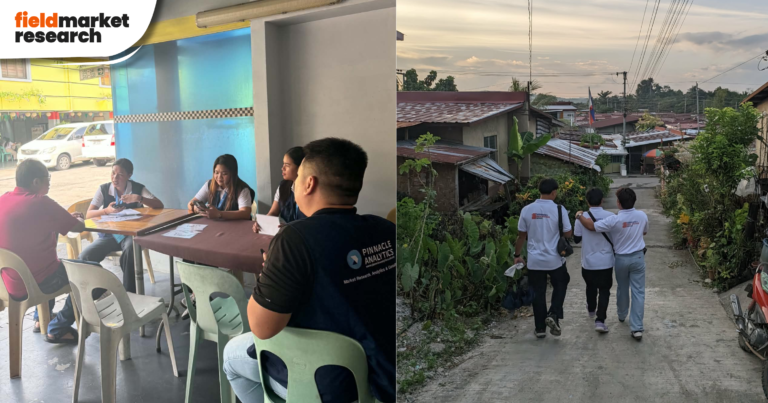
For more than 18 years, Field Market Research (FMR) has worked on the principle that some of the most valuable business information cannot be obtained simply by searching online, reviewing published statistics, or studying reports from a desk. Sometimes, you have to go to the location. You have to observe what is actually happening, speak […]
By Rold Yanga
For more than 18 years, Field Market Research (FMR) has worked on the principle that some of the most valuable business information cannot be obtained simply by searching online, reviewing published statistics, or studying reports from a desk.
Sometimes, you have to go to the location.
You have to observe what is actually happening, speak with the right people, understand the local environment, verify information from different sources, and document conditions as they exist on the ground.
This principle is at the heart of our mystery shopping and business intelligence gathering services in the Philippines.
FMR Technological and Digital Advertising Services was established in 2007, but the experience behind the company began before that. Our founder, Bryan Cinco, previously served for eight years in the security service as a member of the armed forces. That background involved disciplined fieldwork, observation, information gathering, following instructions, communicating with different types of people, and reporting findings accurately to superiors.
Those experiences eventually became part of the foundation of FMR.
Today, we apply field research methods to legitimate commercial objectives—from traditional mystery shopping and customer-experience studies to competitive intelligence, investment due diligence, infrastructure assessments, market-entry research, and other forms of business information gathering.
The objective is straightforward:
Go to the field. Observe actual conditions. Speak with the right people. Verify the information. Document the evidence. Convert what we learn into useful business intelligence.
Mystery Shopping Is More Than Pretending to Be a Customer
Mystery shopping is sometimes misunderstood as simply sending someone into a store and asking whether the employees were friendly.
Professional mystery shopping can go much deeper.
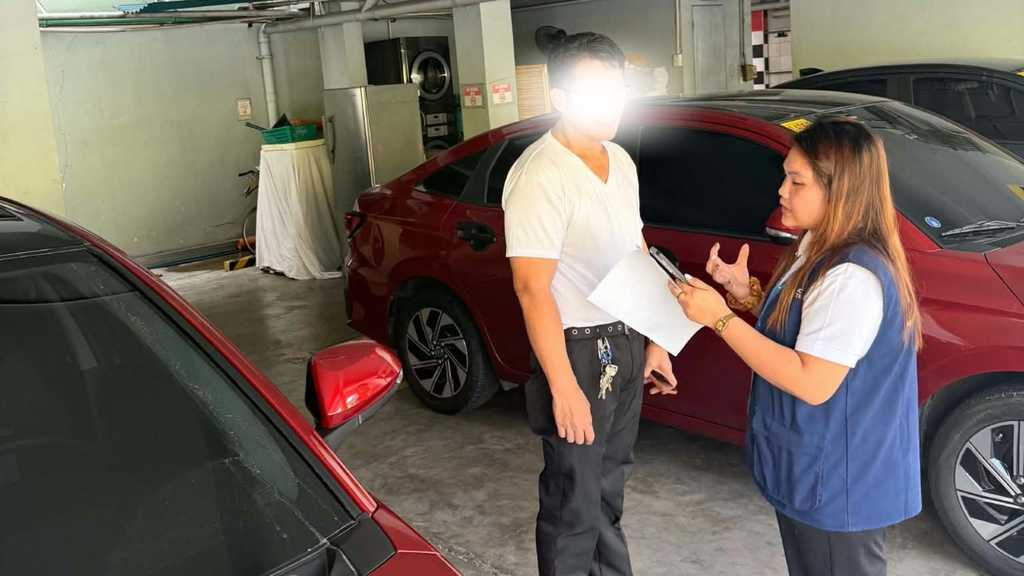
A mystery shopper may enter a location as an ordinary customer and objectively evaluate the experience according to a predetermined research protocol. Depending on the project, this may involve a retail store, automobile dealership, bank, restaurant, hotel, telecommunications outlet, service center, healthcare facility, property development, transportation service, or other customer-facing business.
The mystery shopper is not there simply to give a personal opinion.
A professionally designed mystery shopping study establishes the questions and evaluation criteria before the visit. This allows different locations, employees, competitors, or periods to be evaluated consistently.
For example, an automotive company may want to understand what actually happens when an ordinary customer enters a dealership.
The mystery shopper could present a realistic customer profile, such as a farmer, small-business owner, professional, or family buyer interested in purchasing a vehicle.
The research might document how quickly the salesperson approaches, what questions are asked, which model is recommended, whether financing is explained clearly, whether a test drive is offered, what promotions are presented, and whether the salesperson follows up afterward.
That provides management with something more useful than assumptions.
It provides a view of the actual customer experience.
FMR’s Background in Field Intelligence Gathering
FMR’s approach to research developed from extensive experience working directly in communities and business environments.
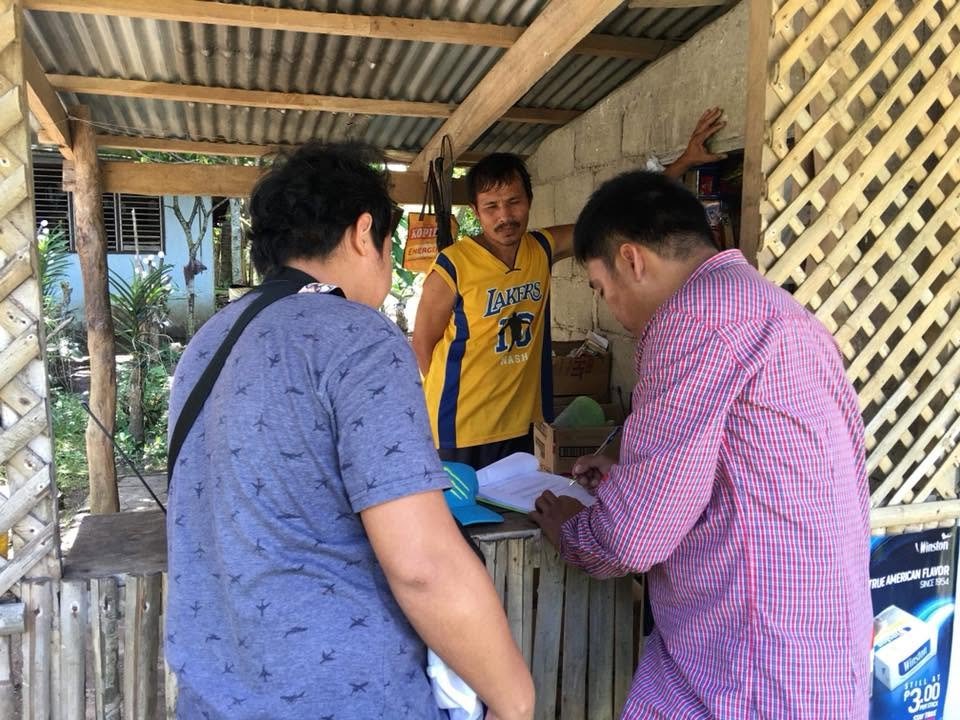
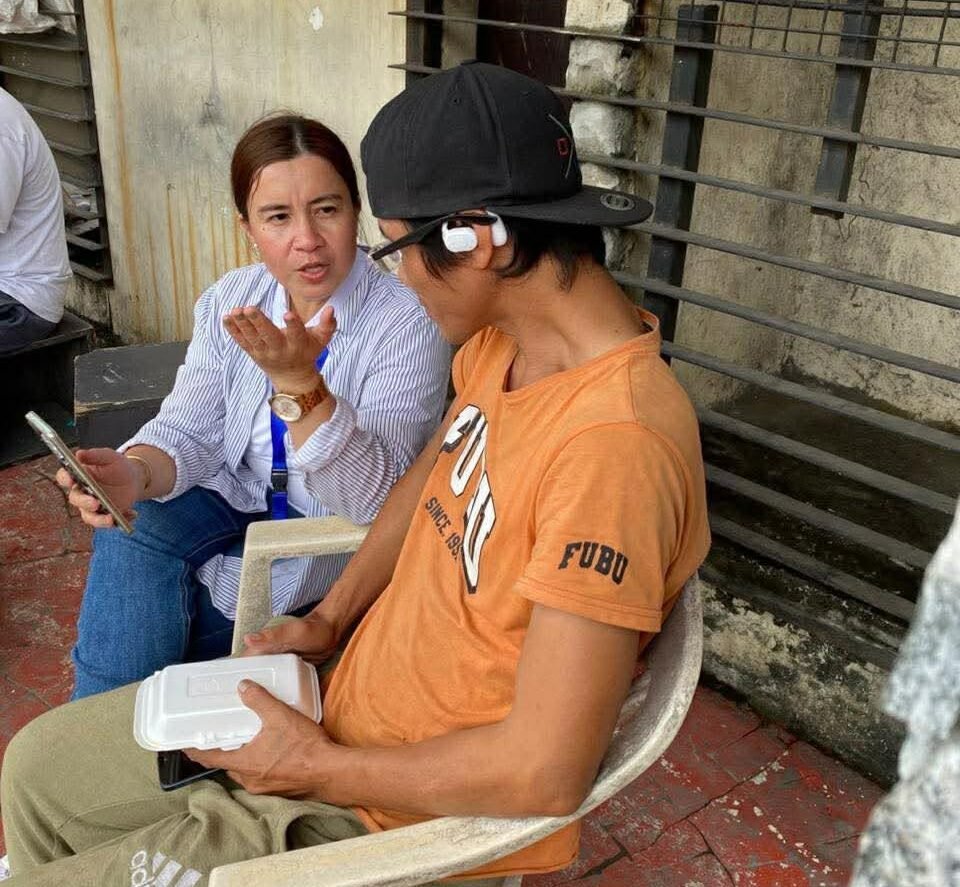
Since 2007, our work has required our teams to interact with people from many different sectors—from the general population to farmers, business owners, traders, employees, professionals, government representatives, buyers, consumers, and other stakeholders.
Some projects are straightforward face-to-face surveys.
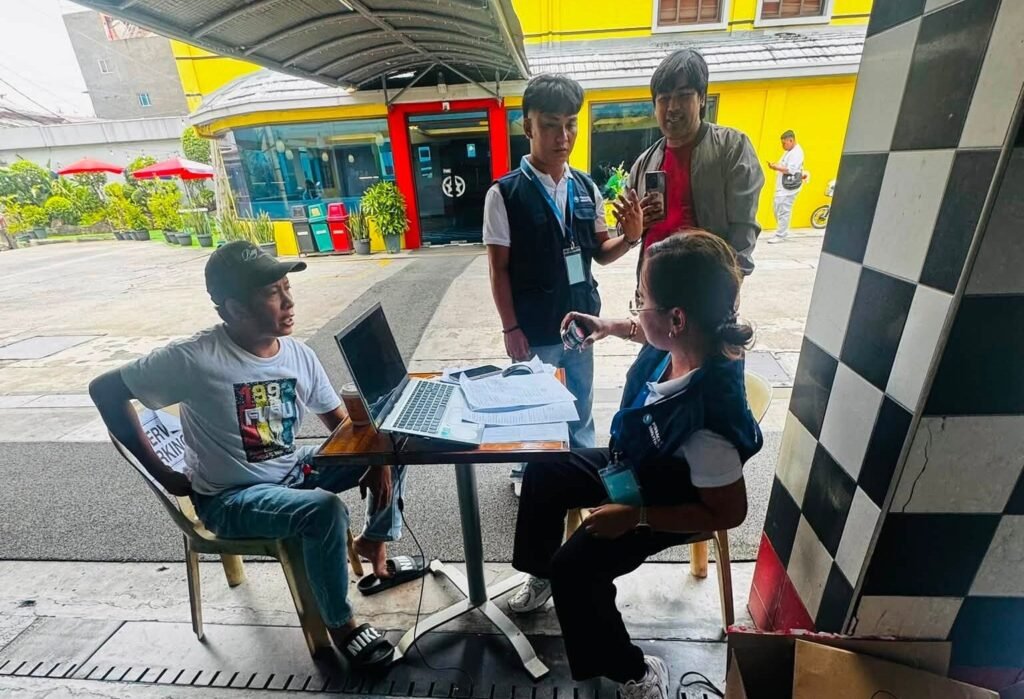
Others require qualitative interviews, observations, online research, mystery shopping, site inspections, infrastructure assessments, or the verification of information obtained from several sources.
The common element is primary information.
We want to understand what is actually happening rather than rely entirely on what has already been published.
This approach has taken FMR into industries including agriculture, telecommunications, technology, consumer products, transportation, automotive, logistics, infrastructure, energy, and other sectors.
It has also supported investors and businesses that need to understand local operating conditions before committing capital to a particular market or location.
What Is Business Intelligence Gathering?
In the context of FMR’s services, business intelligence gathering means the lawful and ethical collection, verification, and analysis of information relevant to a client’s commercial decision.
It should not be confused with espionage, hacking, unauthorized access to confidential systems, impersonating government authorities, obtaining protected personal information, or other unlawful activities.
Professional business intelligence works within legitimate research boundaries.
Information may come from direct observation, interviews conducted with consent where required, public information, market visits, customer experiences, stakeholder discussions, infrastructure assessments, competitor observations, and other lawful sources.
The objective is to reduce uncertainty.
Suppose an international company is considering establishing an operation in a particular Philippine province.
Published statistics might tell the investor the population, average income, number of registered businesses, road network, and other general information.
But those numbers may not answer practical questions such as:
Can our trucks actually use the road throughout the year?
Can the bridge handle the vehicles required for our operation?
How long does transportation really take during normal business hours?
Are there qualified workers within commuting distance?
What are people in the community saying about the proposed industry?
Who are the important local stakeholders?
Are suppliers actually operating in the area?
What problems are existing businesses encountering?
Those questions require field investigation.
Investment Due Diligence Requires Ground-Level Verification
This becomes especially important when investors are evaluating unfamiliar markets.
A proposal may look excellent on paper. A property may appear strategically located on a map. Infrastructure may technically exist. Population statistics may suggest that sufficient workers are available.
Reality can be different.
That is why one of the most valuable functions of field intelligence is verification.
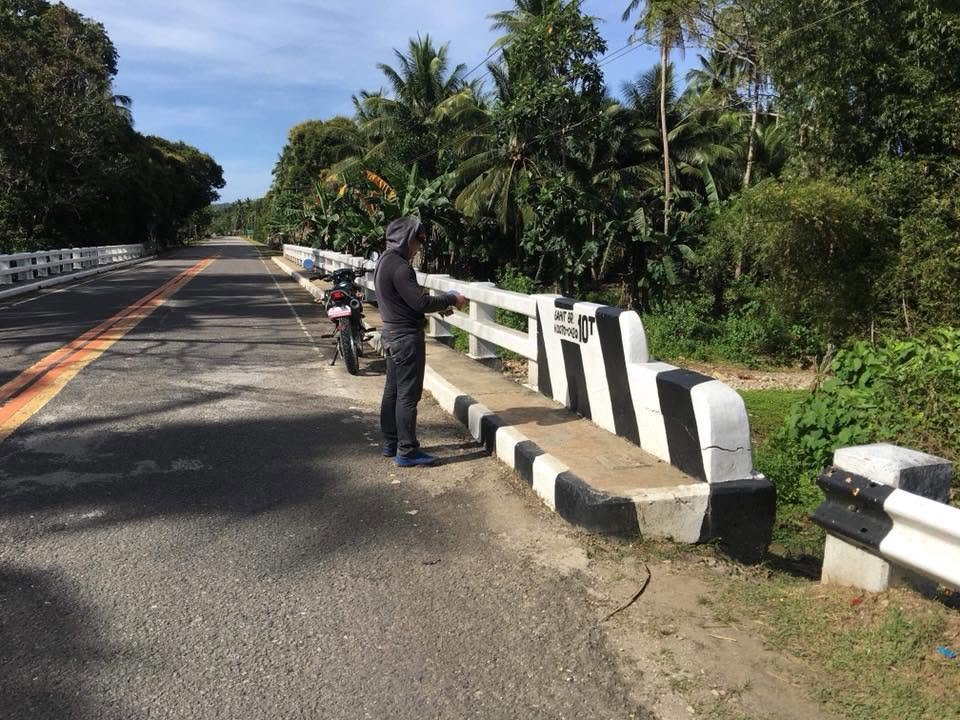
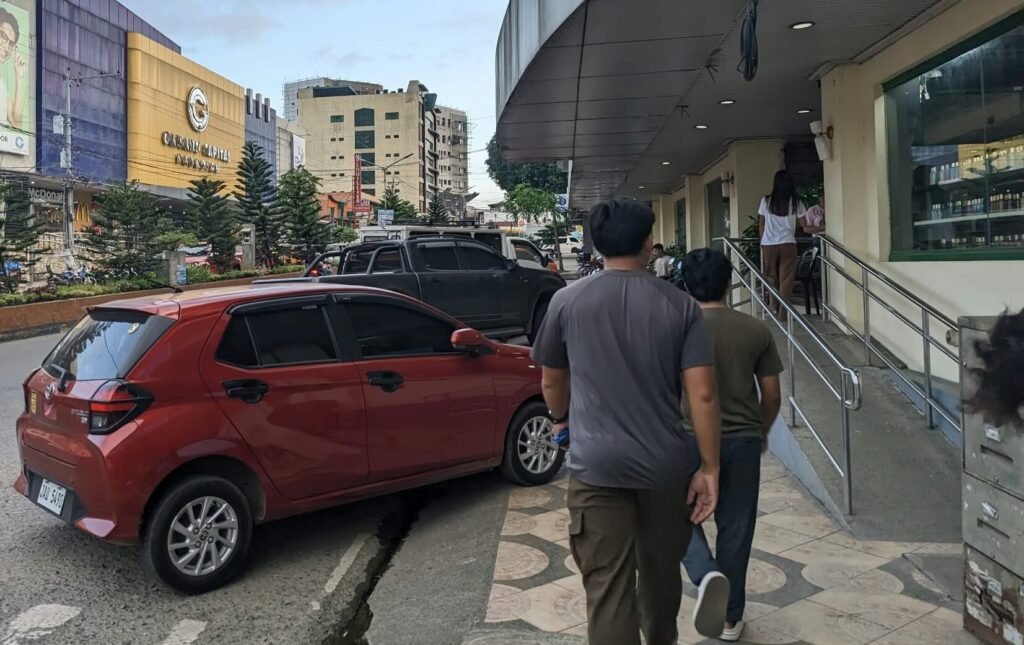
For example, when assessing accessibility, our field team may examine the actual route leading to a potential investment site.
We can document:
Road condition. Is the road paved, partially paved, damaged, narrow, congested, or vulnerable to flooding?
Bridge condition. Are there bridges along the route, and could their condition or restrictions affect logistics?
Vehicle accessibility. Can trucks, vans, buses, or heavy equipment reasonably reach the location?
Travel time. How long does the journey actually take rather than how long does a map estimate it should take?
Seasonal conditions. Could heavy rainfall or other environmental conditions affect accessibility?
Nearby infrastructure. How far are ports, airports, commercial centers, fuel stations, telecommunications facilities, hospitals, and other essential services?
These observations can be supported by photographs, field notes, interviews, location documentation, and other agreed research materials.
For an investor preparing to spend millions of dollars, discovering a serious logistics problem before investing can be far less expensive than discovering it after operations begin.
Competitive Intelligence Through Observation
Businesses also need to understand their competitors.
Competitive intelligence does not require stealing confidential information.
A significant amount can be learned through lawful market observation.
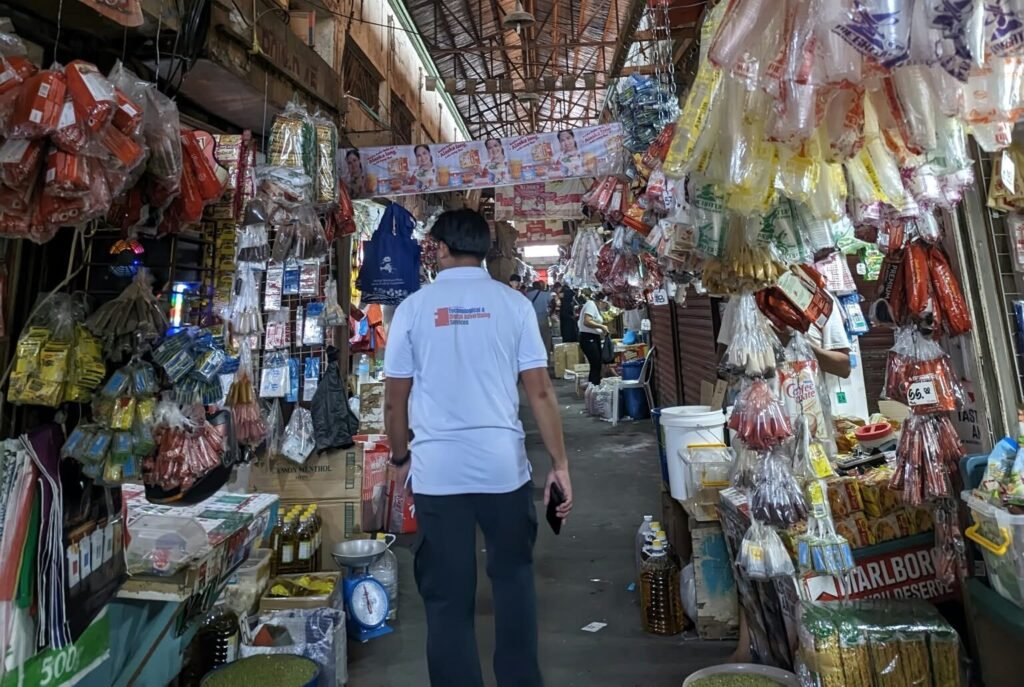
A research team can examine publicly observable factors such as competitor locations, customer traffic, product displays, publicly offered pricing, promotions, customer-service practices, distribution presence, visible product availability, operating hours, and market positioning.
Mystery shopping can add another layer.
If permitted by the research design and applicable rules, a researcher may approach a competitor as a normal prospective customer and document the customer journey.
For example, the client may want to know:
How does the competitor explain its product?
Which benefits does the salesperson emphasize?
What publicly available pricing or financing options are presented?
How quickly does the business respond to inquiries?
What alternatives are recommended?
How knowledgeable are frontline employees?
What happens after the initial inquiry?
When multiple competitors are evaluated using the same questionnaire, the results can become a structured competitive benchmark.
Talking to the Right People Matters
One of the lessons we have learned from years of field research is that having a large amount of information does not necessarily mean having the right information.
Who provides the information matters.
If we are researching agriculture, relevant stakeholders might include farmers, farm owners, agricultural workers, buyers, consolidators, traders, cooperatives, agricultural officers, transporters, processors, and local businesses.
For an infrastructure or investment study, the stakeholder structure could be completely different.
This is why stakeholder mapping is important.
Before fieldwork begins, the research team needs to determine:
Who knows the information?
Who is directly affected?
Who makes the decisions?
Who operates the business?
Who buys the product?
Who supplies it?
Who regulates the activity?
Who can independently validate what another source has said?
Good intelligence gathering is not simply about asking questions.
It is about asking the right questions to the right people.
Observation and Interviews Work Better Together
What people say and what researchers observe do not always match.
A respondent might say that a particular road is accessible throughout the year.
The field team may discover that certain sections become difficult for larger vehicles.
A business might advertise excellent customer service.
A mystery shopping visit may show a long waiting time and limited product knowledge among staff.
A retailer may report that a product is readily available.
Store visits may reveal repeated stock shortages.
Neither observation nor interviewing should automatically be treated as perfect.
Instead, information becomes stronger when researchers can compare different forms of evidence.
At FMR, this is why we value a combination of quantitative research, qualitative interviews, mystery shopping, observation, site visits, and data validation when the project requires them.
Verification Is One of the Most Important Parts of Intelligence Gathering
An unverified statement is not automatically a fact.
During a field intelligence assignment, researchers may receive conflicting information. One stakeholder may provide one estimate while another provides something completely different.
The research team therefore needs a verification process.
Depending on the study, this may include comparing information from several independent respondents, checking observations against available records, revisiting locations, conducting supervisor back-checks, reviewing photographs and timestamps where appropriate, examining inconsistencies in questionnaires, or identifying information that cannot be independently confirmed.
The final report should distinguish between:
Verified findings
Respondent-reported information
Researcher observations
Estimates
Unconfirmed information
That distinction is extremely important for due diligence.
A professional research company should not convert a rumor into a fact simply because someone in the field said it.
A Strong Mystery Shopping Program Requires Proper Planning
Sending an interviewer into a store without preparation is not professional mystery shopping.
Before execution, the project should define the business question.
What exactly does the client want to understand?
From there, FMR can develop a scenario, questionnaire, scoring system, shopper profile, field instructions, documentation requirements, visit schedule, and quality-control procedures.
The shopper needs to understand the scenario without behaving unnaturally.
Too many questions can expose the shopper. Too few questions may fail to collect the required information.
Immediately after the interaction, observations should be documented while details remain fresh.
Where permitted and appropriate, supporting evidence may include receipts, publicly available materials, photographs of permissible areas, screenshots from online customer journeys, timestamps, or other documentation specified in the study design.
Our Researchers Must Remain Objective
Field intelligence can become unreliable when the researcher begins looking only for information that confirms what the client already believes.
That is a serious problem.
If an investor expects a location to be excellent, our responsibility is not to prove that expectation correct.
Our responsibility is to report what we actually find.
If road access is poor, the report should say so.
If workers are difficult to recruit, that needs to be reported.
If customers like a competitor more than expected, that is valuable information.
If the mystery shopping experience is excellent, that should also be documented—even when the client hoped to identify competitor weaknesses.
Useful intelligence is not information that makes a client comfortable. Useful intelligence is information that helps a client make a better decision.
Confidentiality and Research Ethics
Mystery shopping and intelligence gathering require careful handling.
FMR conducts these services for legitimate commercial and research purposes. Project procedures should respect applicable laws, contractual requirements, privacy obligations, and research ethics.
We do not position business intelligence as permission to obtain protected information through illegal means.
We do not need hacking, unauthorized system access, theft of documents, coercion, or unlawful surveillance to understand a market.
Good field research is often much simpler.
Observe carefully.
Talk to knowledgeable people.
Ask intelligent questions.
Compare different sources.
Document what you see.
Verify important claims.
Protect confidential project information.
Then analyze the evidence.
From Raw Information to Business Intelligence
Collecting information is only the beginning.
A client does not necessarily need hundreds of photographs, questionnaires, interview notes, recordings, observations, and spreadsheets.
The client needs to understand what they mean.
Our work therefore moves from:
Research Objective → Research Design → Field Deployment → Observation & Interviews → Documentation → Validation → Analysis → Business Insights → Client Report
The final output depends on the project.
It may include an executive summary, competitor comparison, mystery-shopping scorecard, customer-experience findings, location assessment, infrastructure review, field photographs, stakeholder findings, risk observations, market opportunities, recommendations, or detailed raw data.
The objective is to transform field information into something management can use.
More Than 18 Years of Going to the Field
FMR was not built purely from textbooks, online research, or theoretical knowledge.
It developed through actual field experience.
From the founder’s earlier background in disciplined information gathering to the establishment of Field Market Research in 2007, our work has consistently involved going where the information is.
Sometimes that means sitting with a farmer and understanding production.
Sometimes it means interviewing consumers in a city.
Sometimes it means visiting a dealership as an ordinary customer.
Sometimes it means examining roads and bridges before an investment decision.
Sometimes it means talking with government, public, and private-sector stakeholders.
Sometimes it means conducting a web-based interview or analyzing an online customer journey.
And sometimes the most important information comes from simply being present in the location and noticing something that cannot be seen from an office hundreds or thousands of kilometers away.
Why Businesses Use FMR for Mystery Shopping and Intelligence Gathering
After more than 18 years in field market research, we understand that information has value only when it is relevant, credible, properly collected, and correctly interpreted.
Our approach combines field interviewing, qualitative research, quantitative research, mystery shopping, observation, local stakeholder engagement, site assessment, infrastructure verification, web-based research, and field validation according to the requirements of each project.
We also understand the Philippines beyond its largest cities.
For businesses and investors, that is important because opportunities are not limited to Metro Manila, Cebu, or Davao. Agriculture, mining, manufacturing, logistics, energy, tourism, telecommunications, infrastructure, and consumer markets extend throughout Luzon, Visayas, and Mindanao.
Conditions can change dramatically from one province, municipality, barangay, or even road network to another.
A national statistic cannot always explain those differences.
Fieldwork can.
Real Decisions Require Real Information
Business intelligence is ultimately about reducing uncertainty.
Before launching a product, opening a branch, investing in a company, entering a province, selecting a site, evaluating competitors, reviewing customer service, or committing significant capital, management needs reliable information.
Some of that information will come from databases and published reports.
Some will come from government statistics.
Some will come from digital analytics.
But there will always be questions that can only be answered properly by people who are willing and capable of going into the field.
We go to the field, talk to the right people, observe actual conditions, verify what we learn, and turn real information into insights our clients can use.
For companies requiring mystery shopping, competitive intelligence, investment due diligence, market-entry research, site assessment, infrastructure verification, or business intelligence gathering in the Philippines, FMR provides the people, field experience, and local understanding needed to see what is actually happening on the ground.
Rold Yanga
Senior Field Operations Manager | Research Analyst
Rold Yanga is a Senior Field Operations Manager at FMR with expertise in field data collection, interviewer supervision, respondent validation, CATI, CAPI, mystery shopping, and quality assurance for nationwide market research and fieldwork projects.
The global technology industry is entering a period in which location, supply-chain security, skilled manpower, political relationships, infrastructure, and market access are…