Agricultural Field Market Research in the Philippines: FMR’s Experience from Farms to Local Markets
Agricultural market research in the Philippines cannot be completed effectively from a desk alone. Production volumes, farm conditions, crop cycles, pricing, transportation infrastructure, government assistance, security, and the relationship between farmers and buyers can vary significantly from one province or municipality to another. At Field Market Research (FMR), our agricultural studies are built around one […]
By Bryan Cinco
Agricultural market research in the Philippines cannot be completed effectively from a desk alone. Production volumes, farm conditions, crop cycles, pricing, transportation infrastructure, government assistance, security, and the relationship between farmers and buyers can vary significantly from one province or municipality to another.
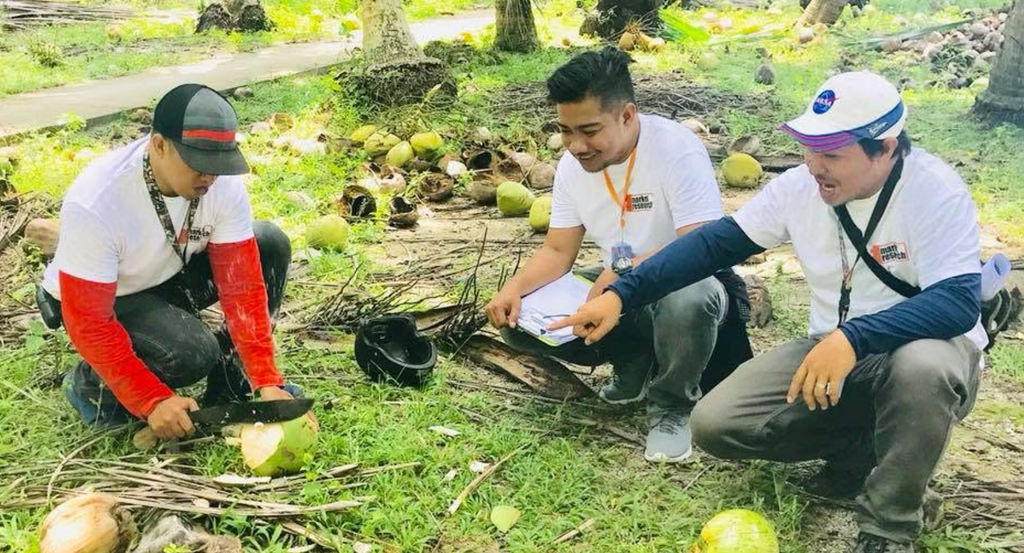
At Field Market Research (FMR), our agricultural studies are built around one principle: go to the source and gather first-hand information from the people directly involved in the agricultural value chain.
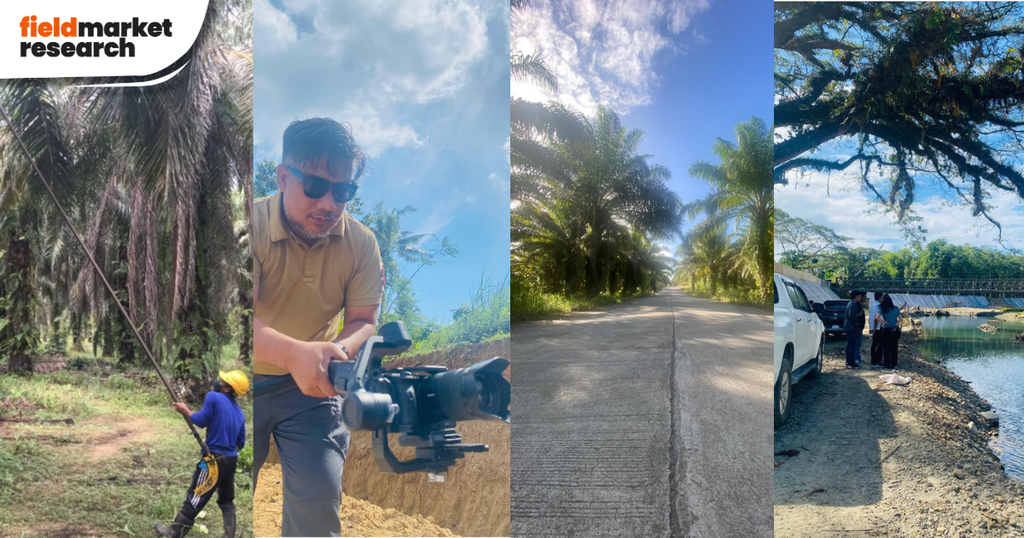
Over the years, our field teams have conducted agricultural research involving coconut, rice, falcata, coffee, ube, rubber trees, and palm trees across different parts of Luzon, Visayas, and Mindanao.
Our work has taken us beyond interviewing farmers. Depending on the objectives of a project, we also speak with farm owners, tenants, agricultural workers, local and provincial buyers, traders, government agriculture offices, and other stakeholders. We examine the physical conditions surrounding the industry, including farm-to-market roads, bridge capacity, transportation, security, government programs, pricing, and market trends.
The result is research that gives clients a clearer picture of what is actually happening on the ground.
Our Agricultural Research Experience
The following are some of the agricultural commodities and locations where FMR has conducted field research. The respondent figures below are estimated study ranges that may be appropriate for projects of this type; they should not be interpreted as the historical sample size of every FMR project.
Agricultural Study
Areas Covered
Typical Estimated Respondents
Coconut
Mindanao, Masbate, Bohol & Quezon Province
1500–1700
Rice
Nueva Ecija
400
Falcata
Agusan del Sur & Agusan del Norte
200
Coffee
Sultan Kudarat
200
Ube
Bohol & Eastern Visayas
250
Rubber Tree
Cotabato
300
Palm Trees
Sultan Kudarat, North Cotabato & Palawan
600
*Actual sample size depends on the geographic scope, research objectives, farmer population, crop concentration, respondent categories, and required level of analysis.
1. Coconut Research
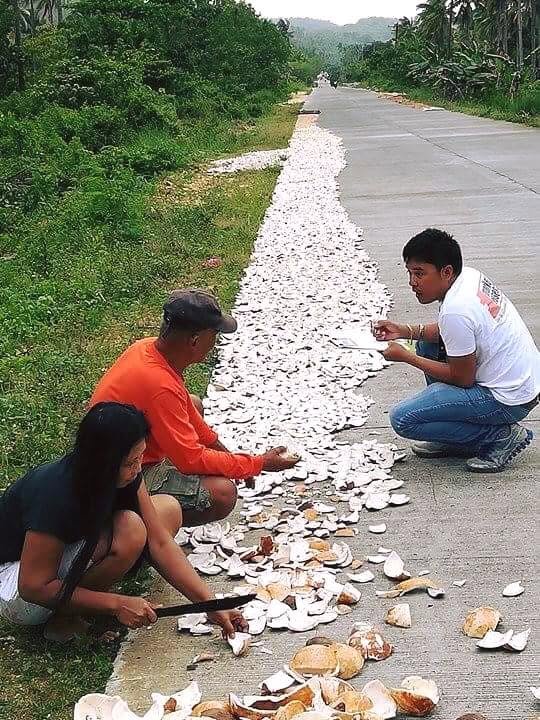
Our coconut-related fieldwork has covered the entire Mindanao region as well as Masbate, Bohol, and Quezon Province.
Coconut research can become particularly complex because a study may need to look beyond the number of coconut farms. For projects involving copra or potential processing and refinery investments, for example, it is important to determine whether an area can consistently produce and transport enough raw material to support the proposed operation.
Our field investigation may therefore examine the number of coconut farmers and farms, approximate planted areas, productive and nonproductive trees, harvesting cycles, estimated production, copra volumes, farmgate prices, local buying prices, seasonal price movements, transportation costs, buyer networks, and the flow of products from farms to local and provincial markets.
Infrastructure is equally important. A high-producing agricultural area does not automatically represent a reliable supply source if trucks cannot reach farms during certain seasons or if bridges cannot accommodate the required vehicle tonnage.
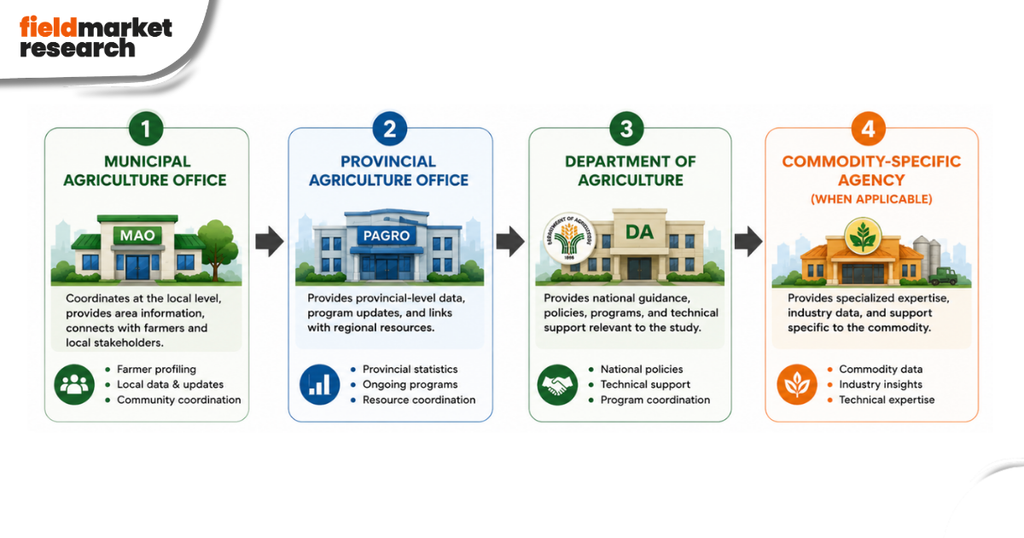
For coconut projects, coordination may involve the Municipal Agriculture Office, Provincial Agriculture Office, Department of Agriculture, and, where applicable, the Philippine Coconut Authority (PCA).
2. Rice Research in Nueva Ecija
FMR has also conducted agricultural research involving rice in Nueva Ecija, one of the country’s major rice-producing areas.
Rice research requires understanding the production system from planting through harvesting and selling.
Our fieldwork may examine farm size, land ownership or tenancy arrangements, planting and harvesting schedules, rice varieties, estimated yield per hectare, input costs, fertilizer and pesticide use, irrigation availability, machinery, labor requirements, farmgate pricing, traders and buyers, and farmers’ profitability.
We also look at the challenges farmers experience. These can include changing input costs, irrigation problems, weather conditions, transportation, access to financing, price fluctuations, and access to government assistance.
3. Falcata Research in Agusan del Sur and Agusan del Norte
Our agricultural and forestry-related research has included falcata in Agusan del Sur and Agusan del Norte.
Unlike crops that are harvested several times per year, falcata requires a different research approach because the commercial cycle is considerably longer.
Field research may examine planted areas, tree age, expected harvest schedules, land ownership, farm management, estimated standing volume, buying practices, prevailing prices, transportation requirements, accessibility of plantation areas, and relationships among growers, landowners, traders, and buyers.
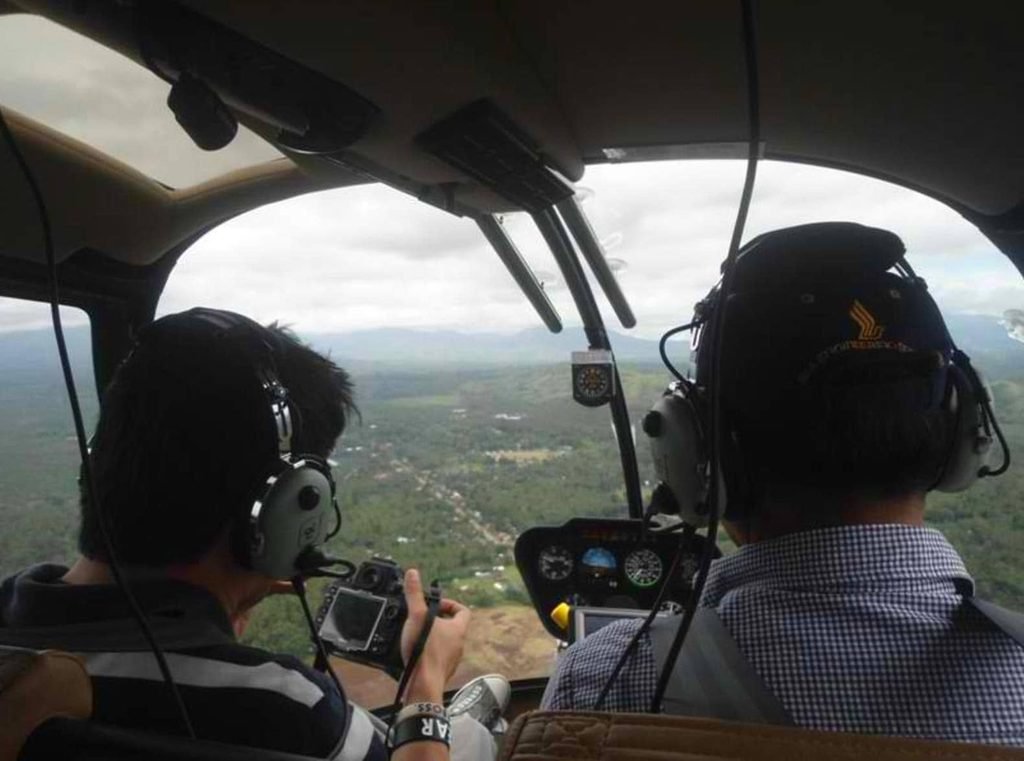
Falcata Tree Aerial Inspections
Road accessibility and security can also become significant components of the study, particularly when plantations are located in remote areas.
4. Coffee Research in Sultan Kudarat
FMR’s agricultural field experience also includes coffee research in Sultan Kudarat.
Coffee studies can examine the varieties being cultivated, farm size, number and maturity of coffee trees, harvesting periods, production volumes, processing practices, farmgate prices, buyer relationships, and challenges faced by growers.
Researchers may also investigate where farmers sell their coffee, whether products are sold directly to traders or consolidated through local buyers, and how pricing changes at different points in the supply chain.
5. Ube Research in Bohol and Eastern Visayas
Our teams have conducted ube research in Bohol and Eastern Visayas.
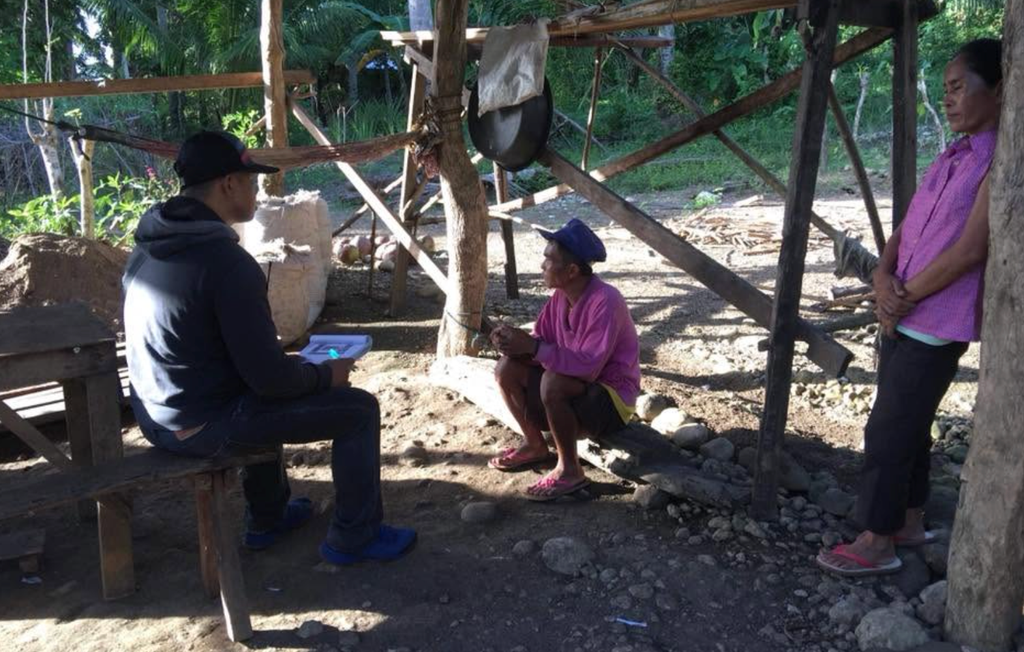
Ube Farmers Interview – Bohol
For ube, research may involve understanding planted areas, varieties, planting and harvesting schedules, estimated production, farmer profiles, labor, production costs, selling prices, buyer demand, distribution, and market access.
Because agricultural production can differ substantially even between neighboring municipalities, field verification is particularly important when estimating the potential supply available to processors, distributors, or investors.
6. Rubber Tree Research in Cotabato
FMR has also studied rubber trees in Cotabato.
Rubber research requires looking at both the plantation and the economic activities surrounding production. Important information can include planted area, number of mature and immature trees, tapping practices, production volume, labor, farmgate prices, buyer networks, transportation, and farmers’ income.
We may also investigate how price changes affect farmers’ decisions and whether growers continue maintaining, expanding, reducing, or replacing their rubber plantations.
7. Palm Tree Research in Sultan Kudarat, North Cotabato, and Palawan
Our palm-related research has covered Sultan Kudarat, North Cotabato, and Palawan.
For palm studies, determining the number of planted trees alone is generally insufficient. A commercial feasibility study may need to distinguish between newly planted, immature, and bearing trees because only productive trees contribute to current supply.
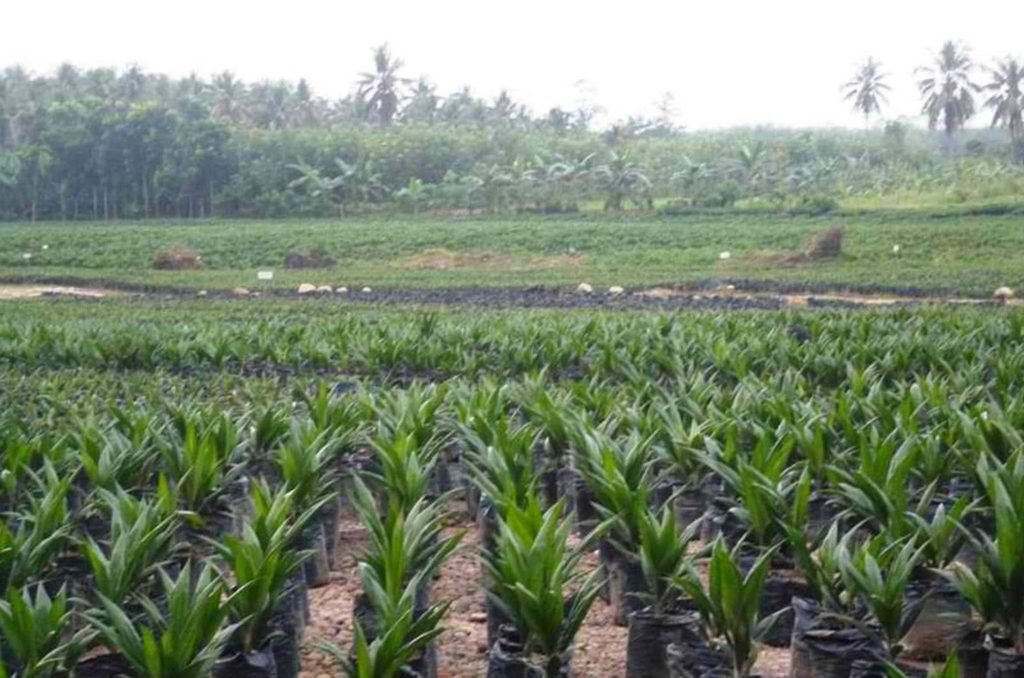
Oil Palm Trees Seedlings – North Cotabato
Our teams may gather information about plantation areas, tree maturity, production volumes, harvesting cycles, farm ownership, labor, farmgate pricing, buyer relationships, transportation, road accessibility, security, and the potential future expansion of plantations.
Aborlan Palawan Palm Oil Trees – Farm-to-market road documentation
For projects evaluating a potential processing facility, these findings can help determine whether the surrounding agricultural areas are capable of supplying the required raw materials consistently.
We Research More Than the Agricultural Product
One of the most important lessons from our agricultural fieldwork is that production is only one part of the agricultural market.
A comprehensive study may require us to investigate the entire chain surrounding the commodity.
Farmers, Farm Owners, and Tenants
We interview the people who understand farm conditions first-hand.
Depending on the project, respondents may include:
Farmers
Farm owners
Tenant farmers
Agricultural workers
Farm managers
Cooperatives and farmer organizations
We investigate their production practices, costs, income, challenges, access to buyers, financing, government assistance, and expectations for their farms.
Local and Provincial Buyers
Farmers’ reported selling prices tell only part of the story.
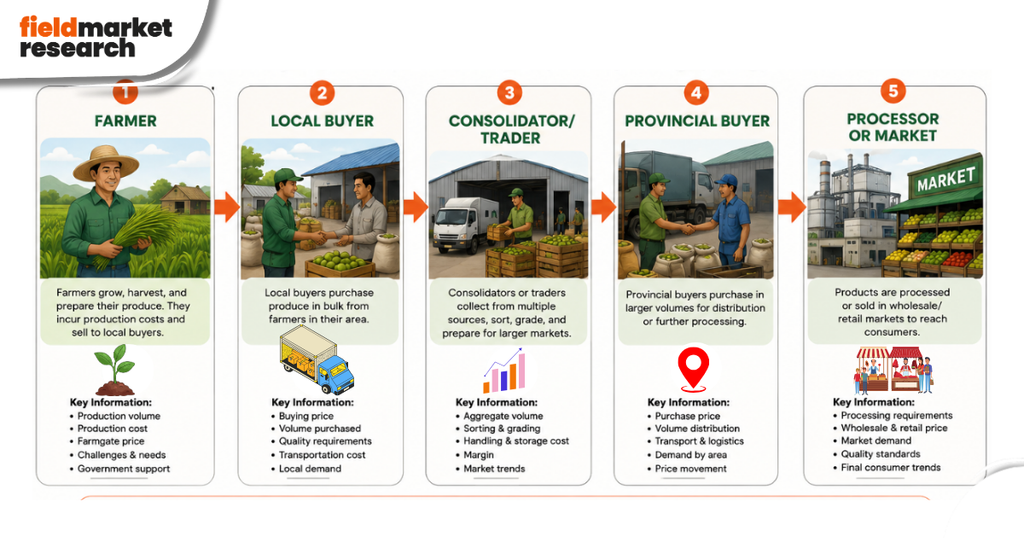
FMR may also interview local buyers, consolidators, traders, and provincial-level buyers to understand how products move through the market.
We can compare farmgate prices with prices at subsequent levels of the supply chain and investigate purchasing volumes, quality requirements, transportation costs, supply shortages, seasonal fluctuations, and competition among buyers.
This helps us understand not simply how much a farmer produces, but where the product goes after it leaves the farm.
Farm-to-Market Roads and Bridge Capacity
Infrastructure is particularly important in agricultural feasibility research.
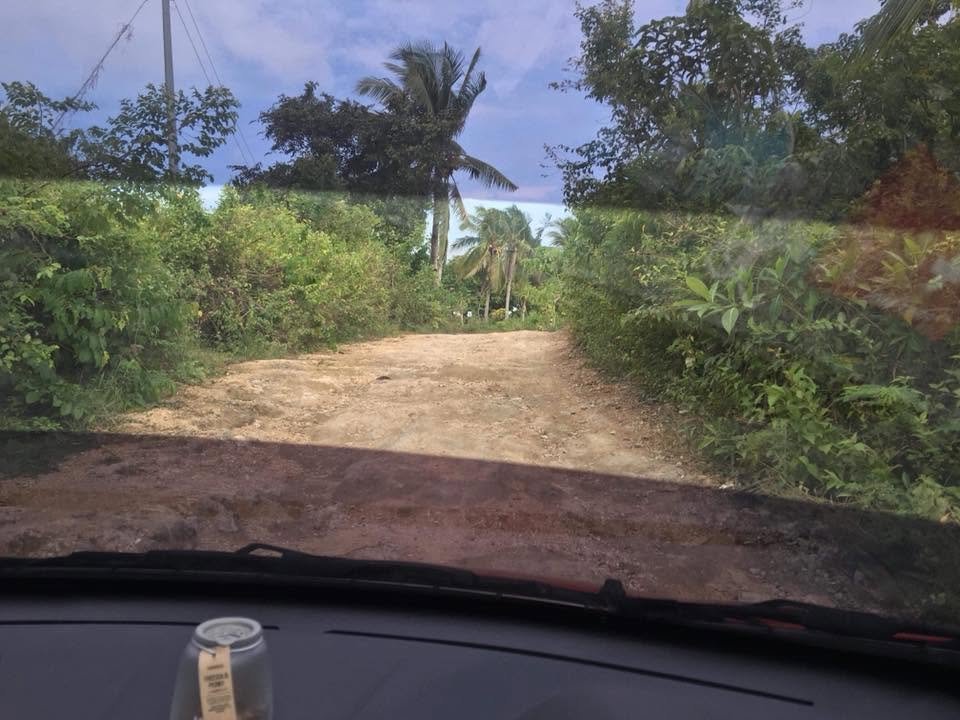
Checking Farm-to-market roads
During fieldwork, our researchers may physically inspect or document the routes connecting farms to municipalities, trading centers, highways, ports, or proposed processing facilities.
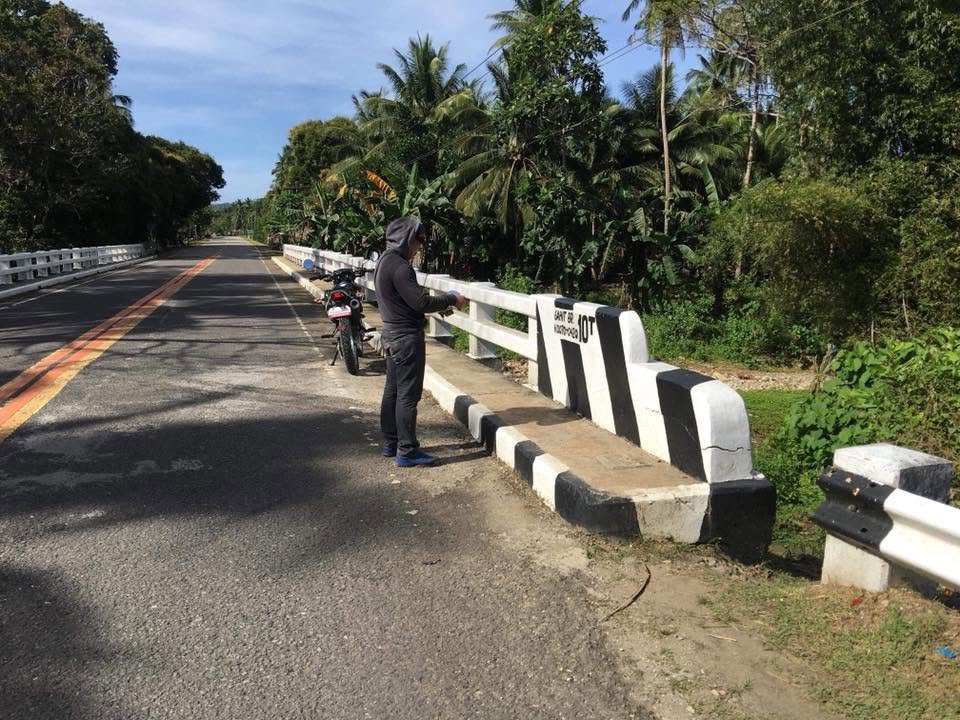
Bridge Capacity Inspection
We examine issues such as road condition, accessibility during rainy seasons, vehicle limitations, travel time, transportation cost, and bridge capacity.
For a client considering building a processing plant, knowing that a province produces a large volume of agricultural commodities is not enough. The client must also know whether those commodities can be collected, transported, and delivered economically and consistently.
This is why FMR’s field analysis can include infrastructure observations alongside respondent interviews.
Understanding Pricing and Market Trends
Agricultural prices can change considerably depending on season, production volume, weather, demand, transportation costs, and the number of active buyers.
Instead of relying on a single reported price, we may gather pricing information from multiple levels:
Comparing these levels helps us identify pricing patterns and better understand where margins and transportation costs enter the supply chain.
When possible, researchers also ask respondents about historical price movements, seasonal highs and lows, and their expectations for future pricing.
Government Support and Farmer Benefits
Government programs can have a significant influence on agricultural communities.
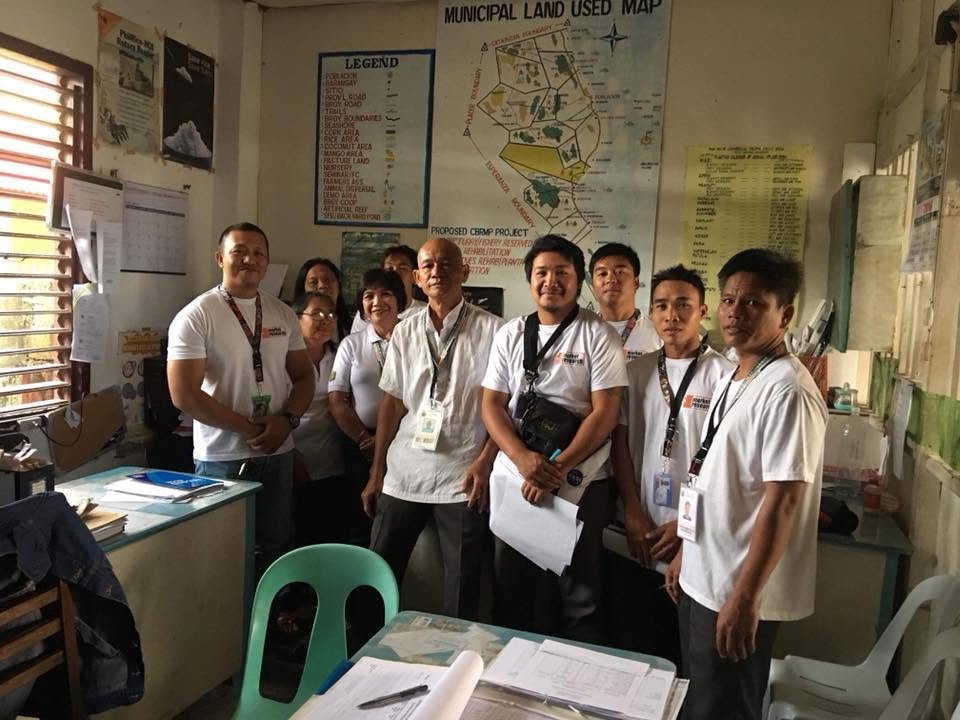
FMR with Municipal Agriculture Office Employees
Depending on the commodity and location, FMR may coordinate with or gather information from the Municipal Agriculture Office, Provincial Agriculture Office, and Department of Agriculture. Coconut studies may additionally involve the Philippine Coconut Authority.
Government-related research may cover farmer registration, seedlings, fertilizer assistance, machinery, training, irrigation, farm-to-market road projects, financing, insurance, livelihood programs, technical assistance, and other forms of agricultural support.
We also compare programs with farmers’ actual experiences.
It is one thing to establish that a government program exists. It is another to determine whether farmers in a particular community know about it, have access to it, and actually benefit from it.
That difference is something field research can uncover.
Security and Accessibility Are Part of Agricultural Research
Some agricultural areas in the Philippines are remote. Certain projects require researchers to travel through mountainous areas, plantations, rural barangays, or communities far from major highways.
For this reason, FMR may evaluate security and accessibility as part of field planning and, when relevant, as part of the research itself.
Before deploying a team, we assess routes, local conditions, transportation requirements, accommodations, communications, and coordination requirements.
Our experience working across different provinces has taught us that local coordination is essential to successful agricultural fieldwork.
Coordination With Agriculture Offices
When appropriate to the project, we coordinate with local government and agricultural authorities before or during fieldwork.
The typical coordination process may involve:
These offices can provide important context regarding agricultural areas, farmer programs, crop concentration, local conditions, and relevant government initiatives.
However, FMR does not treat information obtained from government agencies as a substitute for primary fieldwork.
Government statistics provide valuable context. Our role is to investigate what is actually occurring among farmers, farms, buyers, traders, roads, and agricultural communities.
From Raw Data to Field Analysis
Some clients only require validated raw data. Others need a more comprehensive understanding of the agricultural environment.
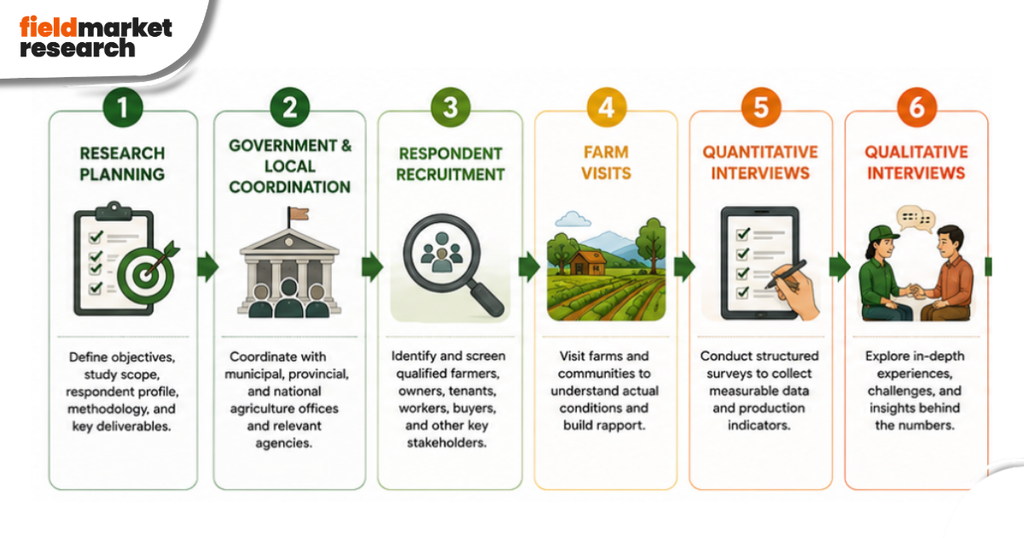
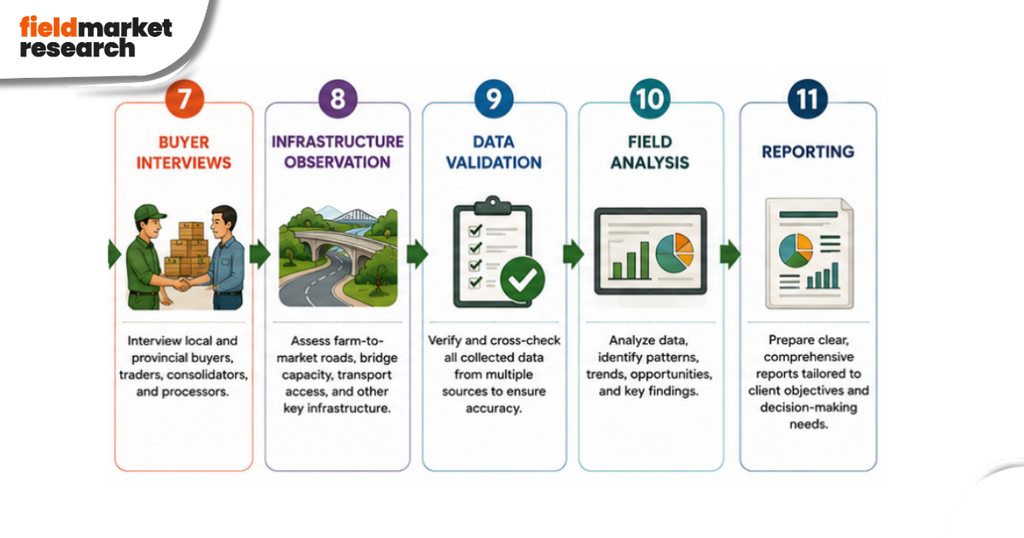
For larger studies, our work may progress through several stages:
Field Market Research Operational FlowField Market Research Operational Flow From Research Planning and Field Coordination to Data Validation, Analysis, and Reporting
Quantitative research helps establish measurable patterns, while qualitative interviews help explain the reasons behind those patterns.
For example, survey results may indicate that production has declined. A deeper field investigation may reveal whether that decline is related to aging trees, weather, labor shortages, fertilizer costs, low farmgate prices, transportation problems, or farmers shifting to another crop.
That additional context can be critical to an investor, processor, government agency, or agricultural organization making a major decision.
Why FMR Prioritizes Primary Agricultural Data
The internet contains a growing amount of agricultural information. Government agencies also publish statistics that are extremely useful for understanding the broader market.
But agricultural conditions on the ground can change faster than published reports.
A production estimate does not necessarily tell a client how many farms remain active. A road appearing on a map does not tell us whether a loaded truck can safely cross a bridge. A government assistance program does not automatically mean every farmer has received the benefit. A provincial average price may not reflect what farmers in a remote municipality are actually being paid.
This is why FMR prioritizes first-hand information.
Our researchers go into agricultural communities, speak directly with the people involved, observe the physical environment, validate information from different sources, and document what our field teams actually find.
Secondary information remains useful for benchmarking and planning, but wherever the project permits, we want our conclusions to be supported by primary data collected directly from the field.
Agricultural Research Built Around Real Field Conditions
Our experience studying coconut, rice, falcata, coffee, ube, rubber trees, and palm trees has shown us that no two agricultural projects are exactly alike.
A coconut feasibility study in Mindanao requires a different approach from rice research in Nueva Ecija. Coffee growers in Sultan Kudarat face different market conditions from ube farmers in Bohol or Eastern Visayas. Falcata and rubber require different production-cycle questions, while palm research may require careful analysis of bearing and non-bearing trees.
Enjoy while gathering field data – FMR
That is why FMR does not approach agricultural research with a single generic questionnaire.
We design the research around the commodity, location, agricultural cycle, target respondents, supply chain, infrastructure, and client’s business objective.
For us, agricultural market research is not simply about collecting hundreds of questionnaires. It is about understanding what those numbers mean when viewed alongside the farms, farmers, buyers, roads, prices, government programs, and local conditions behind them.
That field-level understanding is what allows Field Market Research (FMR) to turn first-hand agricultural information into practical insights that clients can use for feasibility studies, investment decisions, market entry, supply assessments, agricultural development, and long-term business planning.
Bryan R. Cinco
Founder | Field Market Research Specialist
Bryan R. Cinco is the founder of FMR Technological and Digital Advertising Services, specializing in nationwide field market research, survey design, qualitative and quantitative studies, CATI, CAPI, mystery shopping, and data-driven insights for businesses and government organizations.
The global technology industry is entering a period in which location, supply-chain security, skilled manpower, political relationships, infrastructure, and market access are…